Dossier 11 · Archives
Archives
The faces of the men who fought for Cameroon’s independence and of those who made war on them, and the places where it happened. Select a photograph to see it full size, with its credit and source.
The nationalists
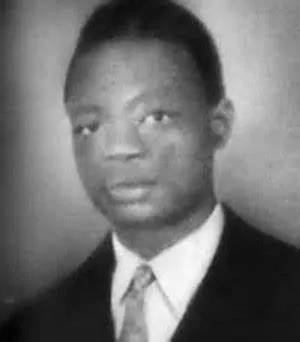
Ruben Um Nyobè, secretary-general of the UPC. Undated, before his death in 1958.
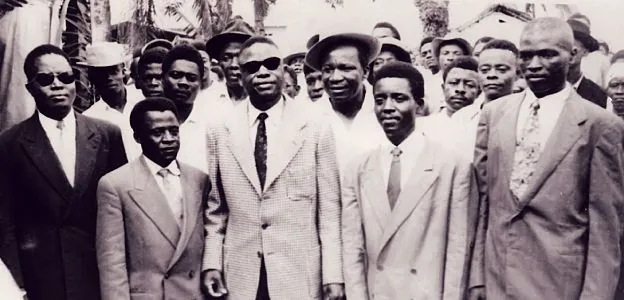
Leaders of the UPC. Undated. Identified on Wikimedia Commons as, in the front row from left, Osendé Afana, Abel Kingué, Ruben Um Nyobè, Félix-Roland Moumié and Ernest Ouandié; that identification is the uploader’s and has not been confirmed.
Castor Osendé AfanaAbel KinguéRuben Um NyobèFélix-Roland MoumiéErnest Ouandié (Photo)
Sources · Deltombe, Domergue & Tatsitsa 2011
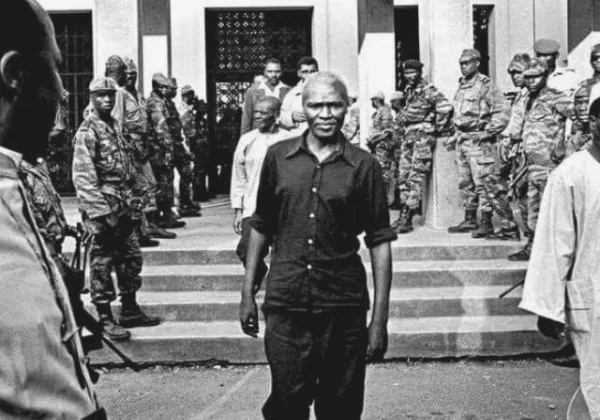
Ernest Ouandié under military guard, between his capture in August 1970 and his public execution in Bafoussam on 15 January 1971.
Sources · Deltombe, Domergue & Tatsitsa 2011AFP, 27 Dec 2019
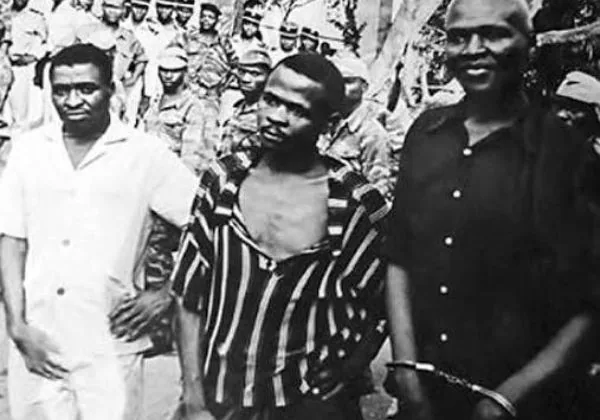
Ouandié (right), handcuffed, with two other prisoners under guard, 1970–1971. The other two men are not identified.
Sources · Deltombe, Domergue & Tatsitsa 2011AFP, 27 Dec 2019
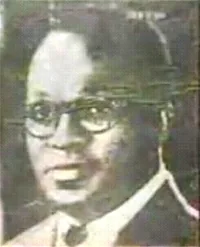
Castor Osendé Afana, economist and UPC leader. Undated, before he was killed in the maquis in 1966.
Sources · Deltombe, Domergue & Tatsitsa 2011
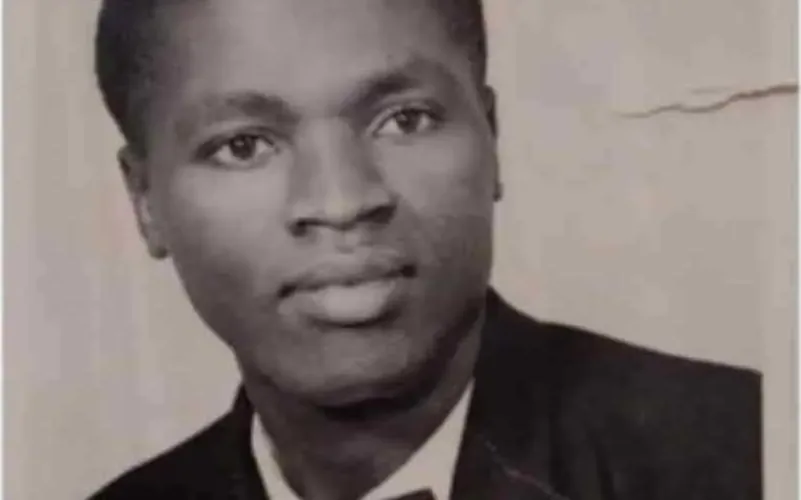
Ernest Ouandié as a young man. Undated studio portrait.
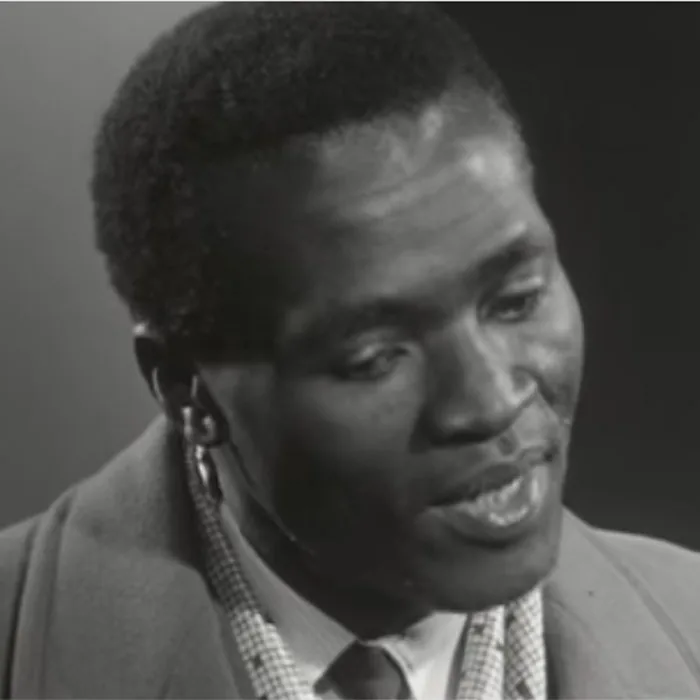
Ouandié in a filmed interview on the assassination of Félix-Roland Moumié, early 1960s.
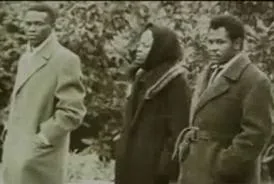
Ernest Ouandié, Marthe Moumié and Abel Kingué in Geneva after Félix-Roland Moumié’s death.
Ernest OuandiéAbel Kingué (Photo)
Sources · Deltombe, Domergue & Tatsitsa 2011
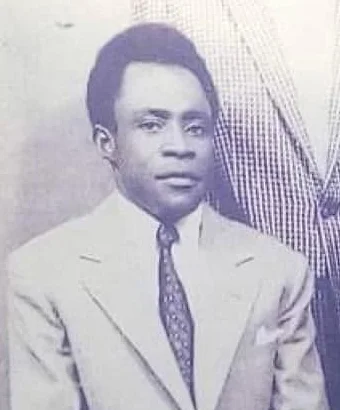
Abel Kingué, vice-president of the UPC. A detail of his studio portrait with Ouandié and Moumié, before 1960.
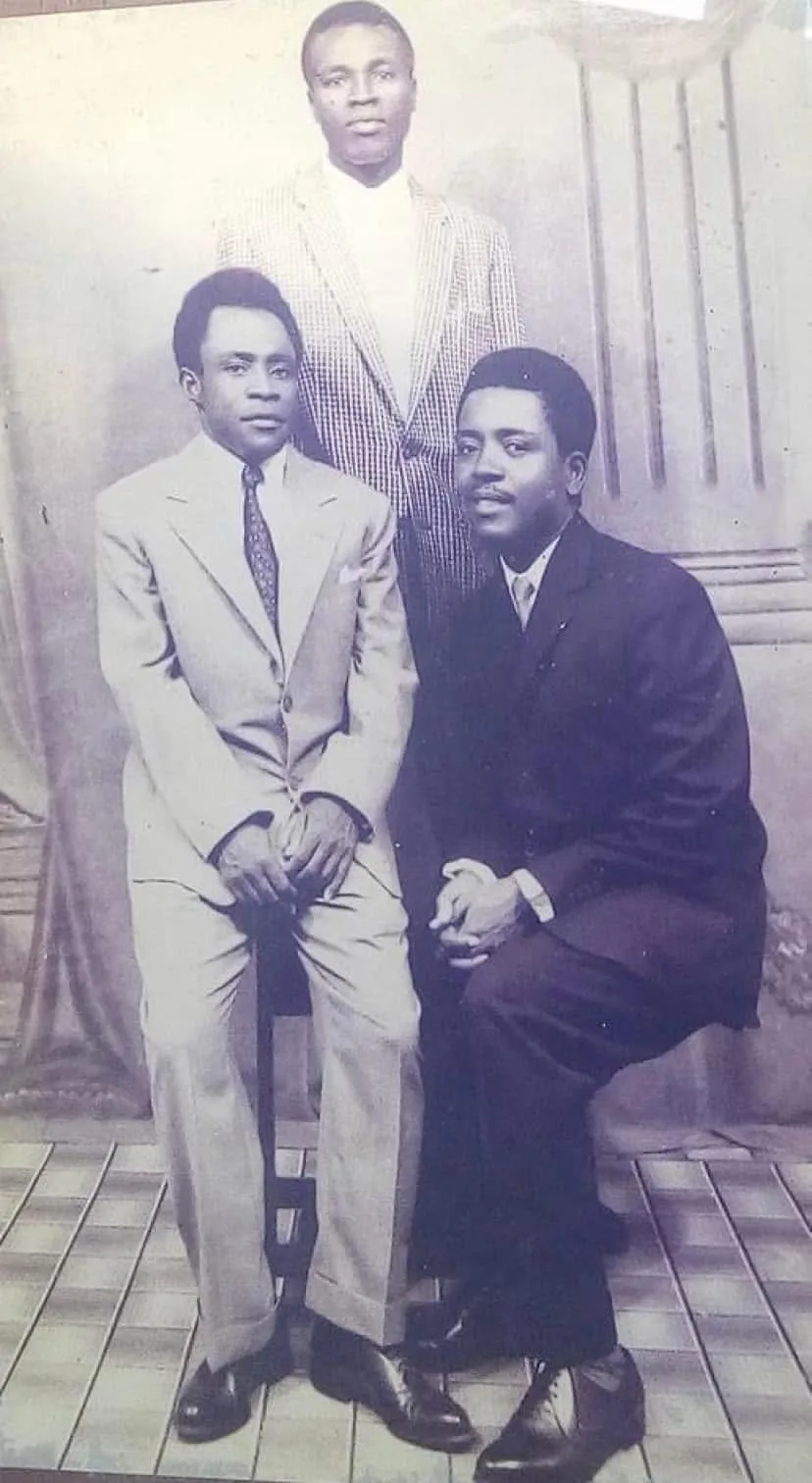
Standing, Ernest Ouandié; seated, from left, Abel Kingué and Félix-Roland Moumié. Undated studio portrait, before Moumié’s death in 1960.
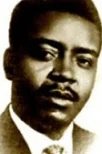
Félix-Roland Moumié, president of the UPC. Undated, before his assassination in Geneva in 1960.
Sources · Deltombe, Domergue & Tatsitsa 2011
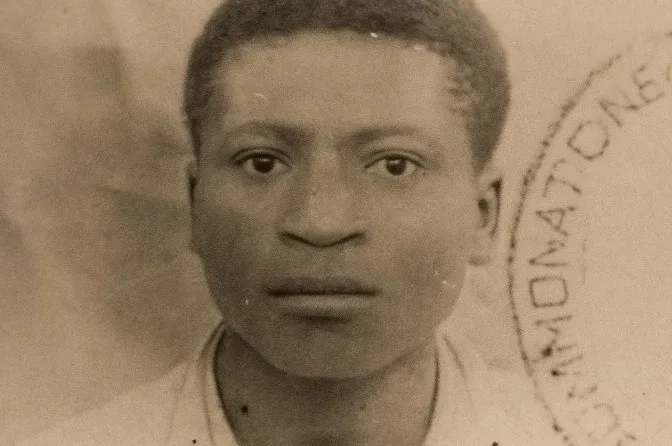
Martin Singap, first chief of staff of the ALNK. Undated identity photograph, before he was killed in 1961.
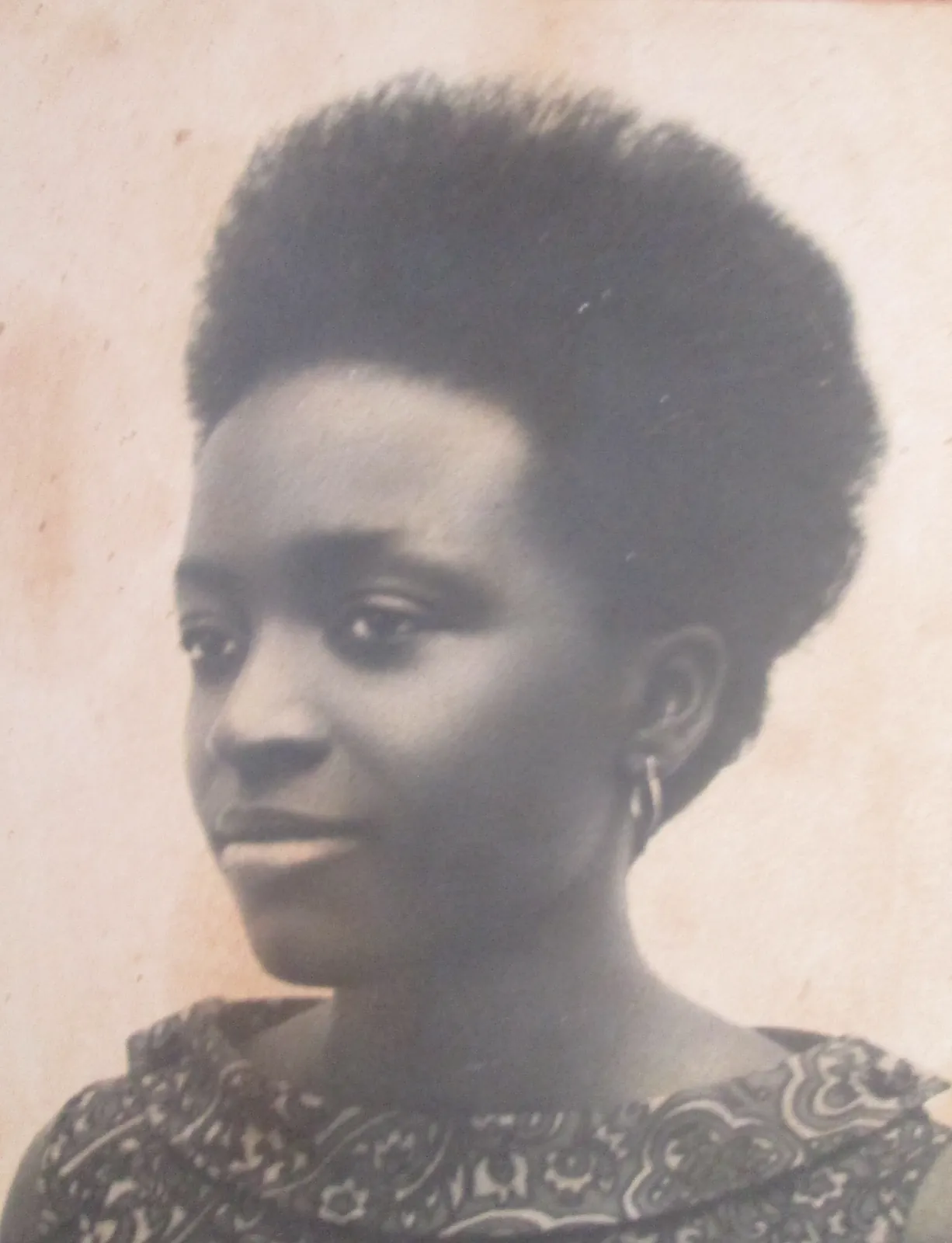
Marthe Moumié, wife of Félix-Roland Moumié. Undated portrait, photographed from a print in 2014.
Copy by JeunesduNoun, 2014(Photo)
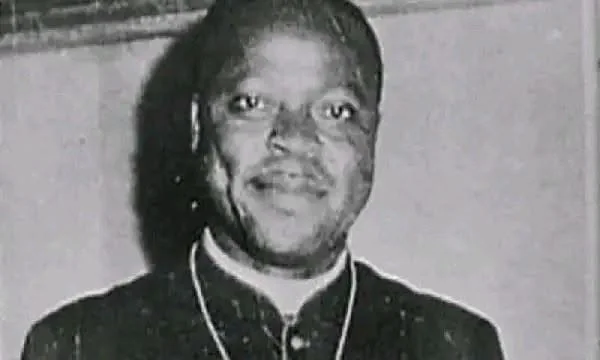
Mgr Albert Ndongmo, bishop of Nkongsamba. Undated portrait.
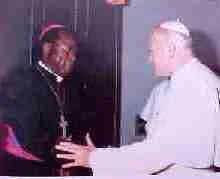
Mgr Albert Ndongmo with the Pope, after his release from prison and into exile. Undated.
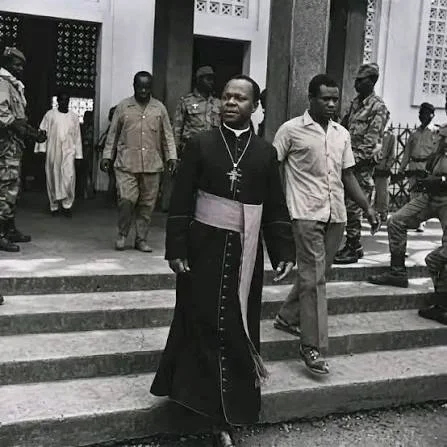
Mgr Albert Ndongmo, bishop of Nkongsamba, coming down the steps of a building among soldiers. Undated.
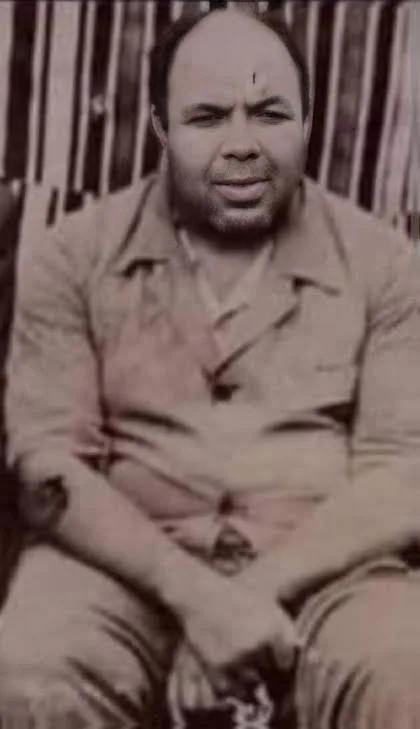
Jacob Fossi, UPC militant in Bafoussam. Detail of a group photograph; undated, before his death in 1957 or 1959.
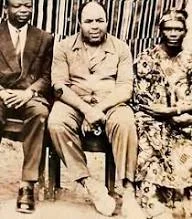
Jacob Fossi (centre), seated between a man and a woman who are not identified. Undated, before his death in 1957 or 1959.
Trusteeship and independence
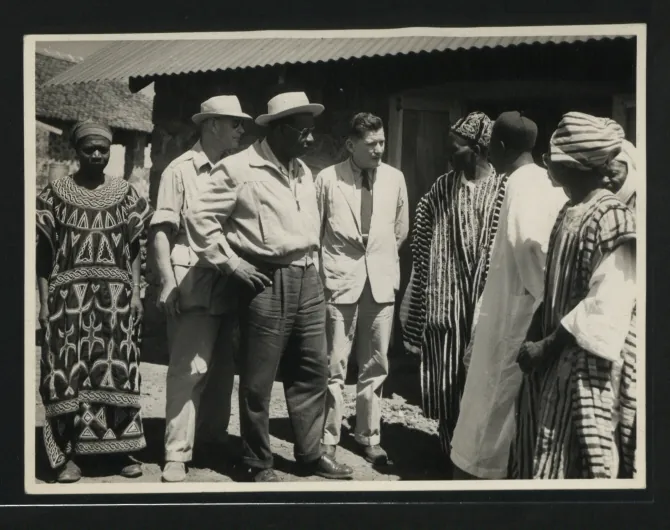
The 1955 United Nations Visiting Mission with members of the Nkambe native authority, in the British Cameroons. The UPC put its case for independence to the UN through petitions and speeches.
The National Archives UK, CO 1069/24/33 · Open Government Licence(Photo)
Sources · Joseph 1977Mbembe 1996
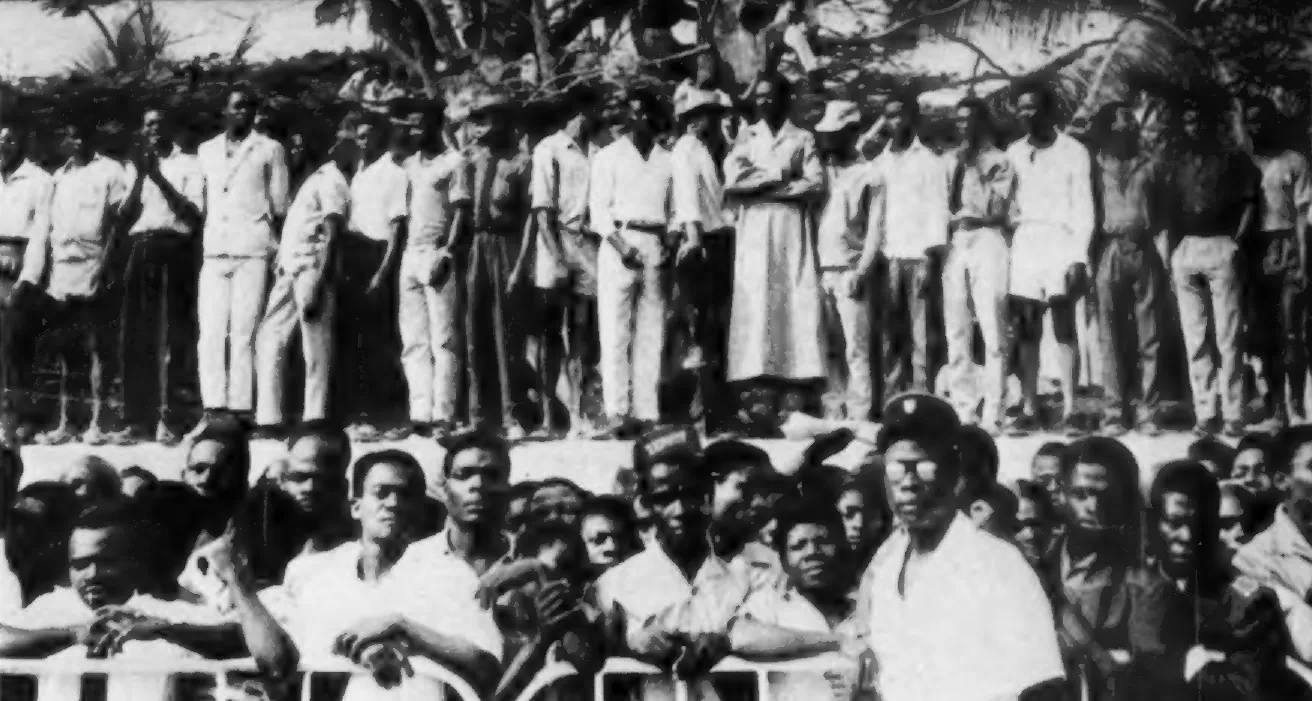
The crowd at the Independence Day speeches in Yaoundé, 1 January 1960. The UPC, which had fought for independence, was shut out of it, and the war went on under French officers.
Africa Report, January 1960, p. 3 · Public domain (US copyright not renewed)(Photo)
Sources · Deltombe, Domergue & Tatsitsa 2011Commission France–Cameroun 2025
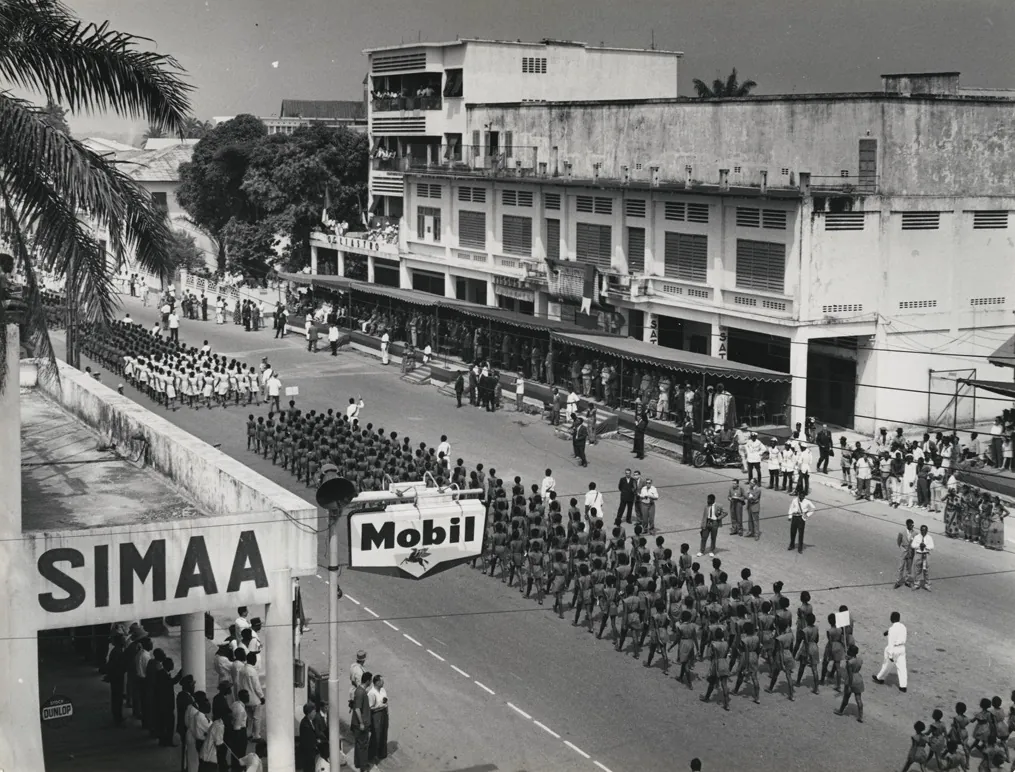
A parade in the streets of Douala on independence day, 1 January 1960. Postcard.
(Photo)
The colonial and Cameroonian state
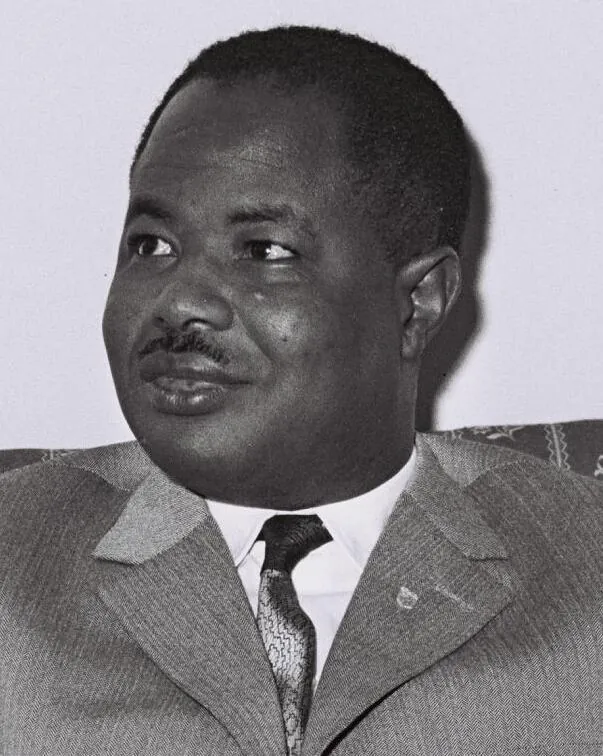
Ahmadou Ahidjo, president of Cameroon, in Jerusalem, 16 May 1963. At home, his army was fighting the UPC in the West with French help.
Moshe Pridan, Government Press Office (Israel) · Public domainSources · Deltombe, Domergue & Tatsitsa 2011
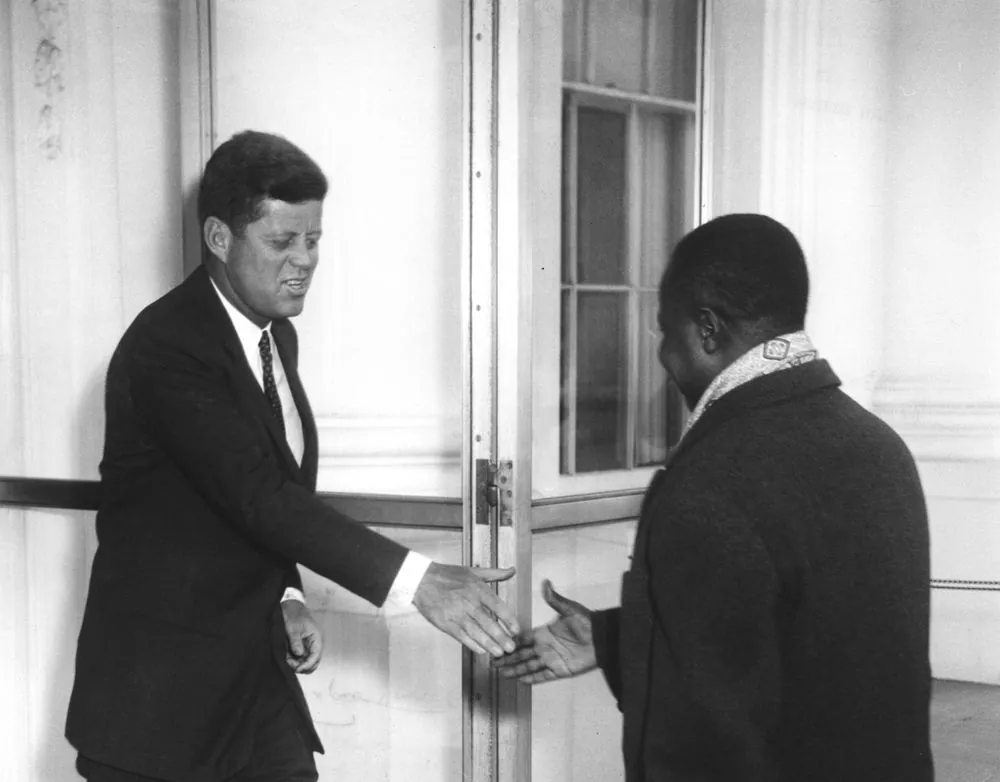
John F. Kennedy welcomes Ahidjo to a luncheon in his honour at the White House, 13 March 1962.
Abbie Rowe, White House Photographs, John F. Kennedy Presidential Library and Museum · Public domain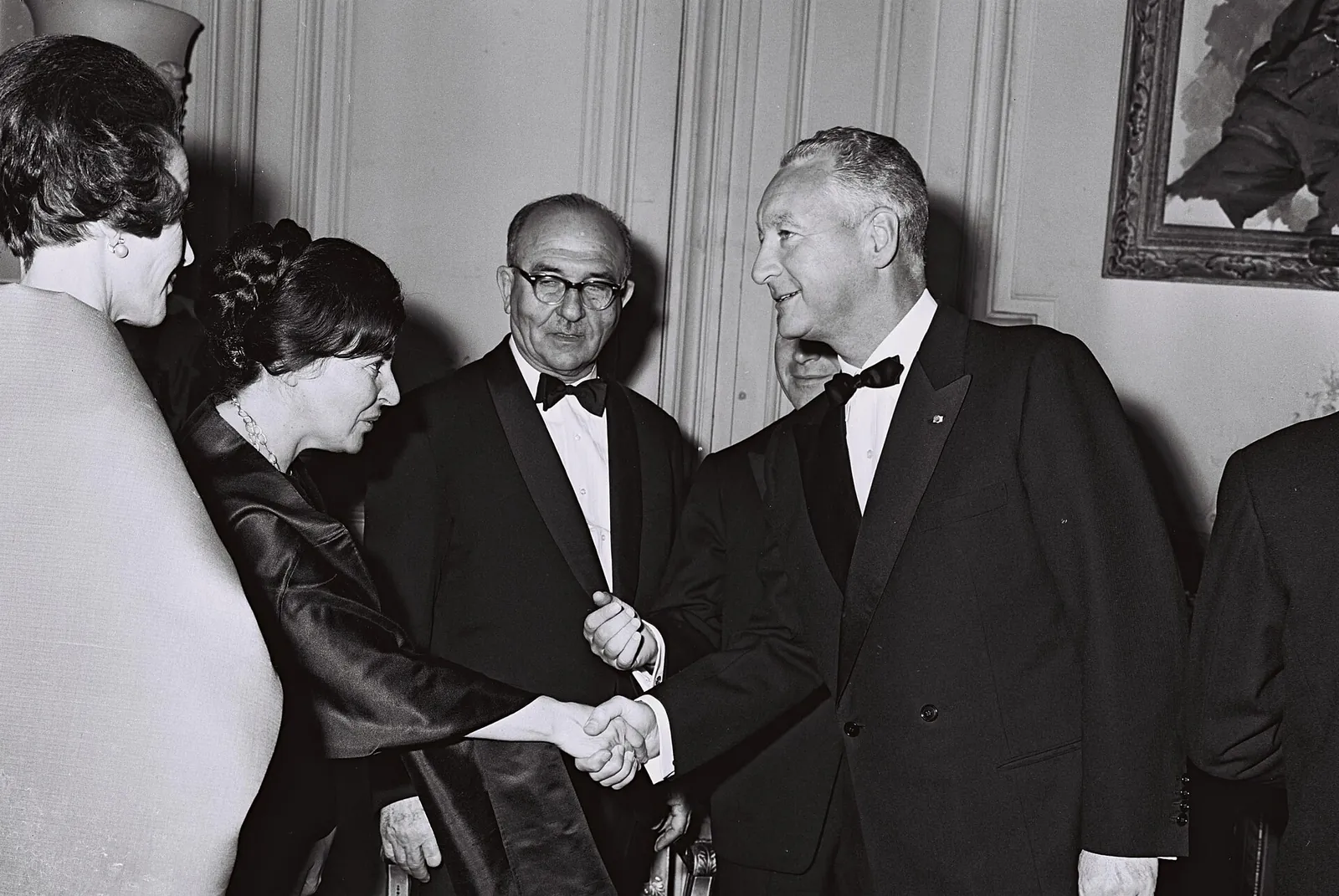
Pierre Messmer (right), French minister of the armed forces, greets Israeli prime minister Levi Eshkol in Paris, 1 July 1964. As high commissioner in Cameroon from 1956 to 1958 he created the ZOPAC, the military zone of the war in the Sanaga-Maritime.
Fritz Cohen, Government Press Office (Israel) · Public domainSources · Deltombe, Domergue & Tatsitsa 2011
Memory
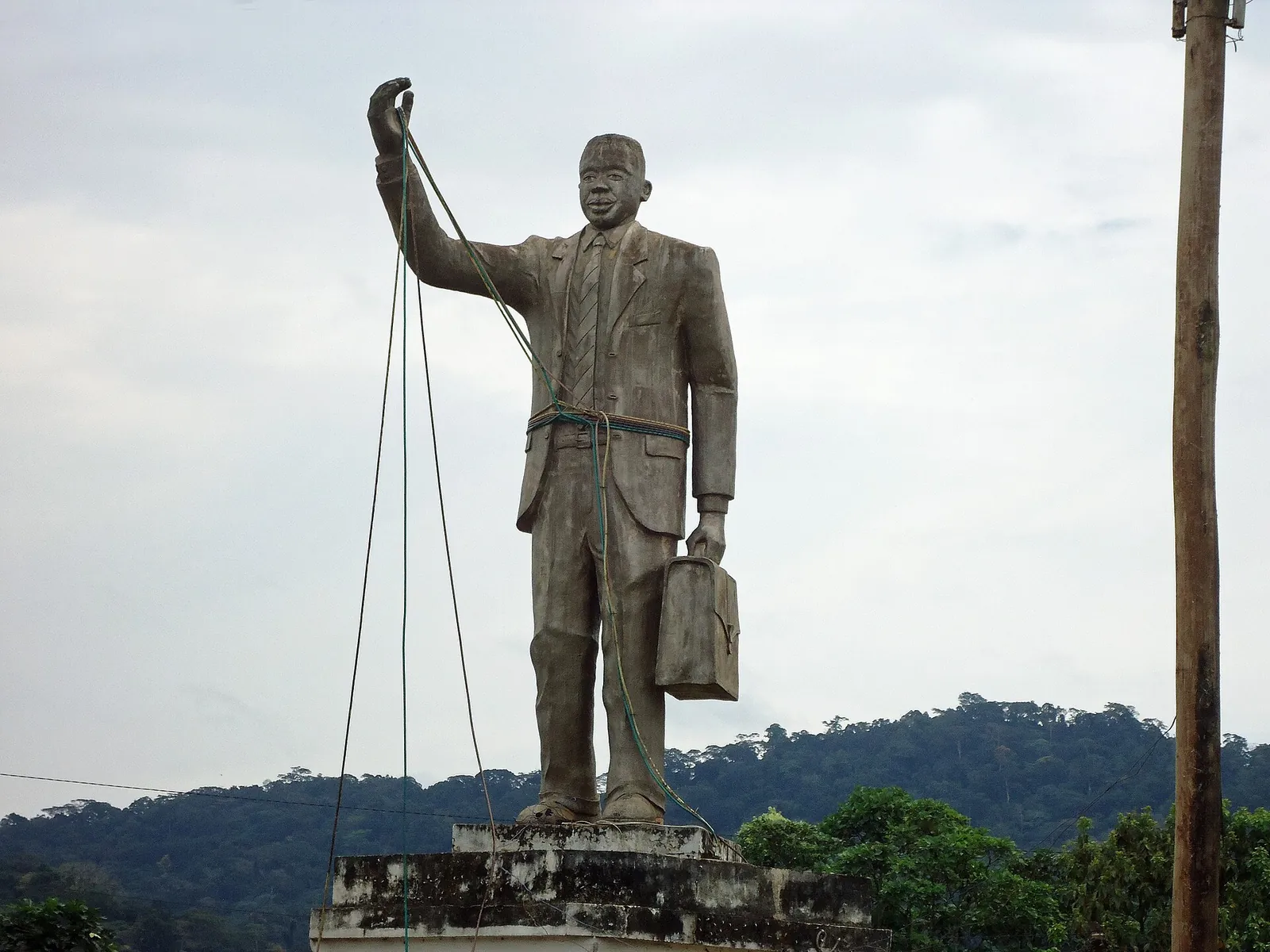
The statue of Ruben Um Nyobè in the centre of Éséka, 2016.
Florettesokeng · CC BY-SA 4.0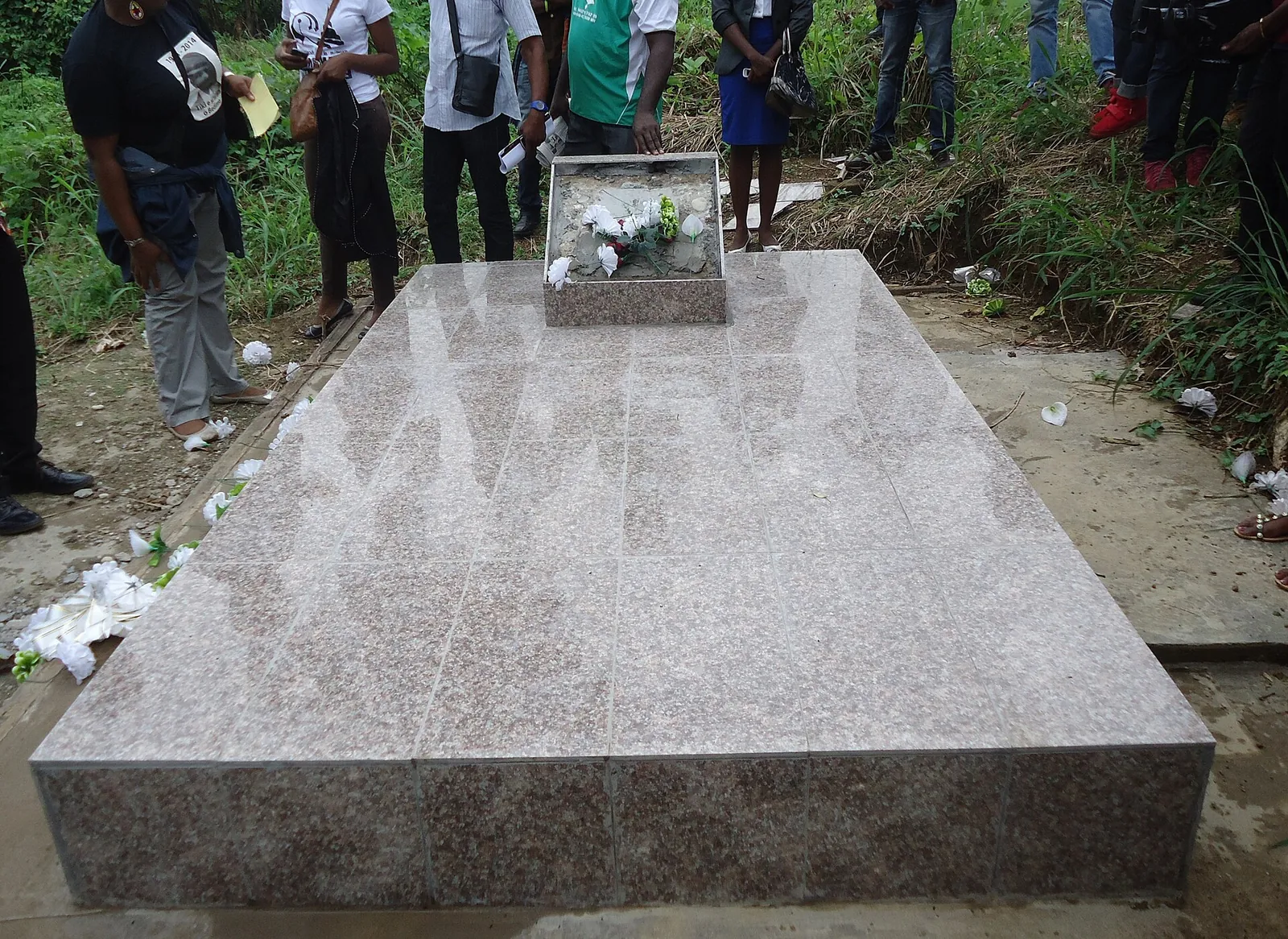
Students at Um Nyobè’s tomb in Éséka, 2016. After he was killed in 1958 his body was dragged and put on display, then buried in concrete without a coffin.
Florettesokeng · CC BY-SA 4.0Sources · AFP, 27 Dec 2019
About these images
France fought this war out of sight, and few photographs of it circulate freely. The French army’s own pictures are held by its image service, ECPAD, under copyright; press agency pictures are sold, not shared. No image of the dead is shown here.
These events are far back and their photographs are rare. Where we know who took a photograph and under what licence, we say so under it; where we know nothing, we say nothing. Each image links to the page where we found it. Without these pictures a reader would not know what these men looked like. If you hold the rights to one of them, write to contact@bamilekegenocide.net and we will credit you or take it down.
Faces still missing
We have found no photograph we can show of:
- Paul Momo ALNK commander
- Jérémie Ndéléné ALNK commander
- Isaac Nyobè Pandjock Military chief of the CNO
- Ngouo Woungly-Massaga Commander of the ALNK’s second front, leader of the UPC
Where to find more
- ImagesDéfense (ECPAD)
The French army’s photo and film archive, searchable for Cameroon. Viewing is free; reuse is licensed.
- Archives nationales d’outre-mer
The French colonial archives in Aix-en-Provence, with the papers and photographs of the administration of Cameroon.
- UN Photo
The United Nations photo library, covering the trusteeship years when Um Nyobè came to New York to speak for independence.
- INA
French television and newsreel archives, searchable for Cameroon from the 1950s on.
- Africa Report
The American monthly’s 1950s and 1960s issues, which followed the UPC and the war, digitised on the Internet Archive.
- Wikimedia Commons
Freely licensed images of the UPC and its leaders. Check each file’s licence and source before reuse.